I simulate physics across four orders of magnitude — from quantum electron structure to robot contact dynamics. My edge isn't the tools. It's knowing when the output is wrong and why.
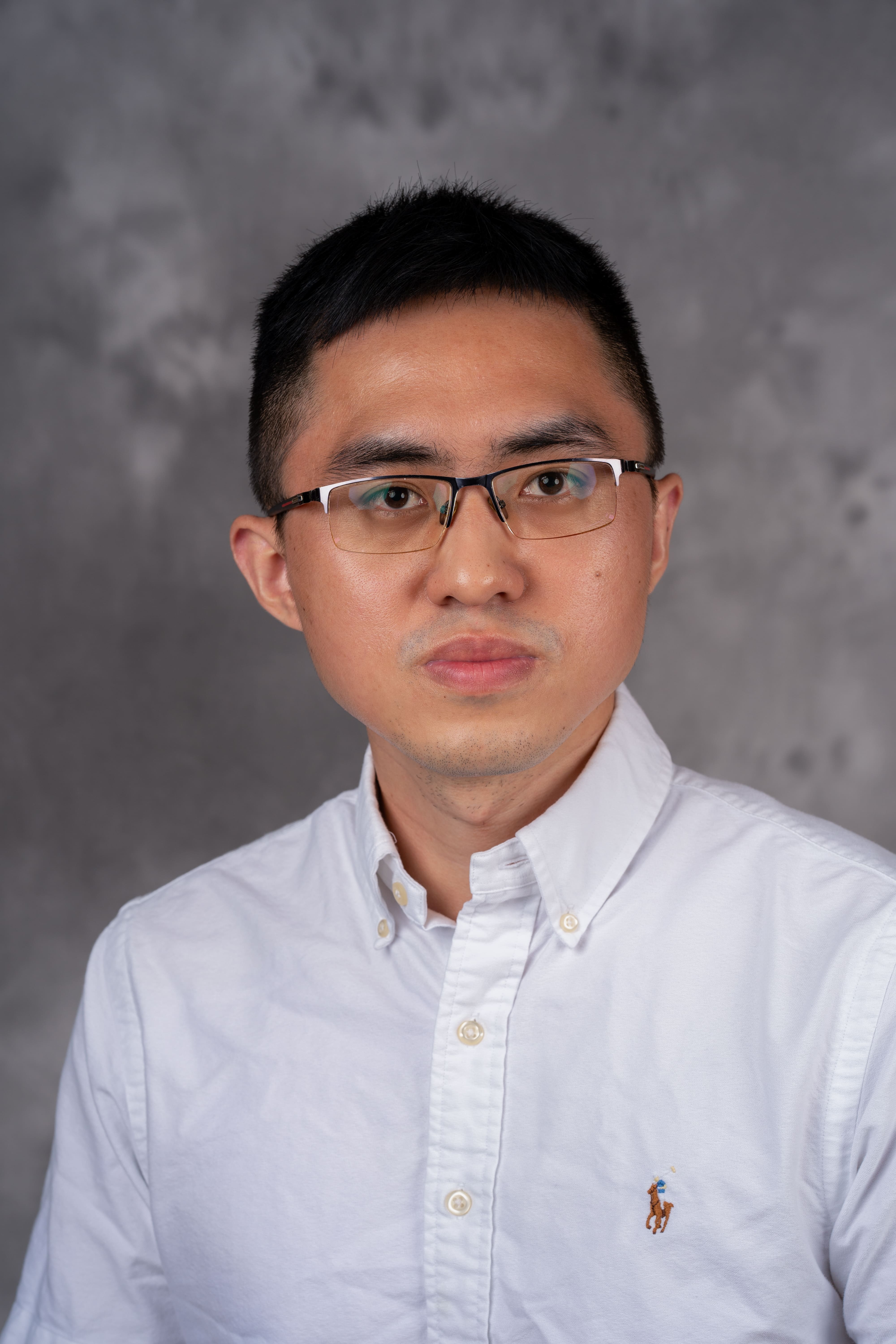
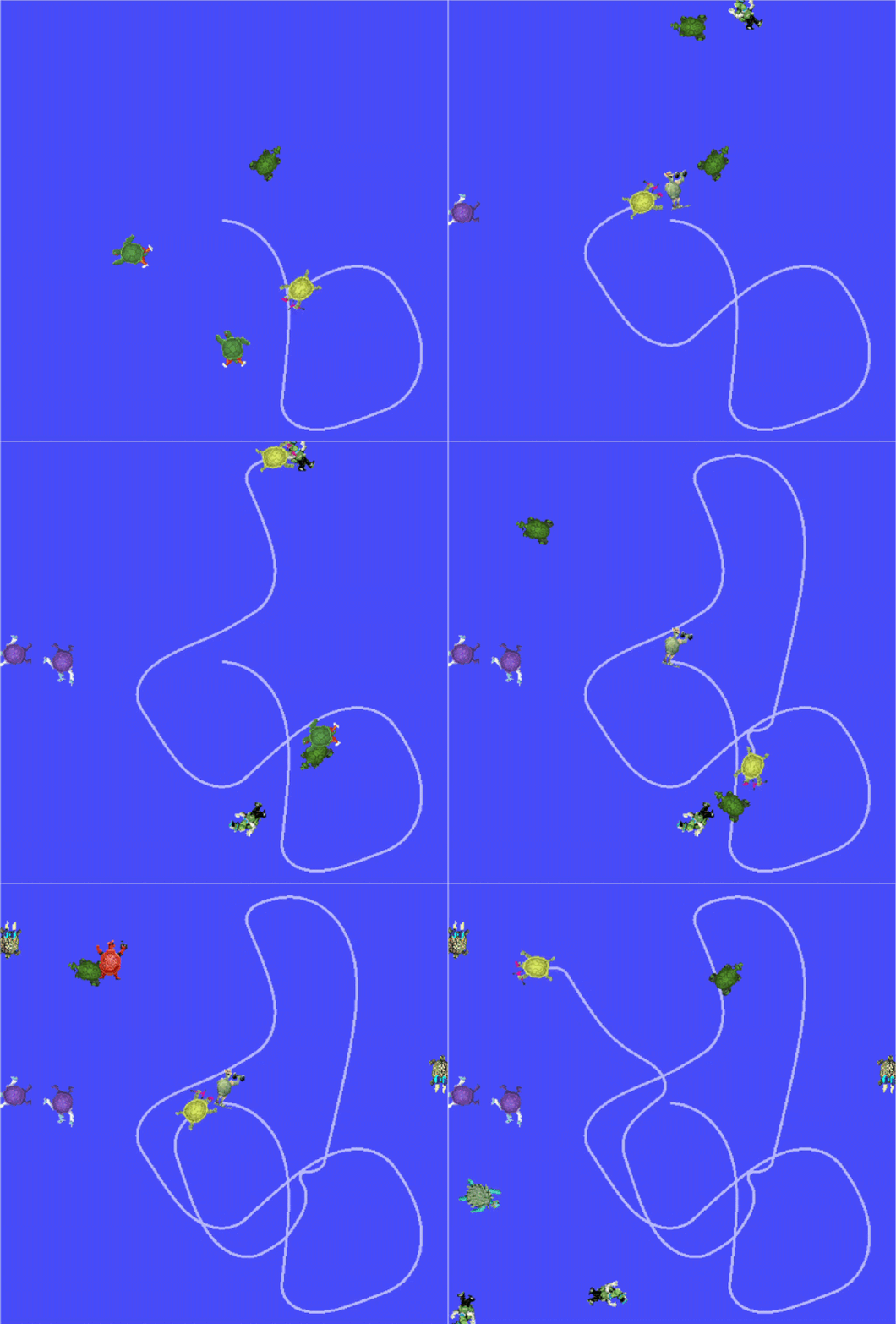
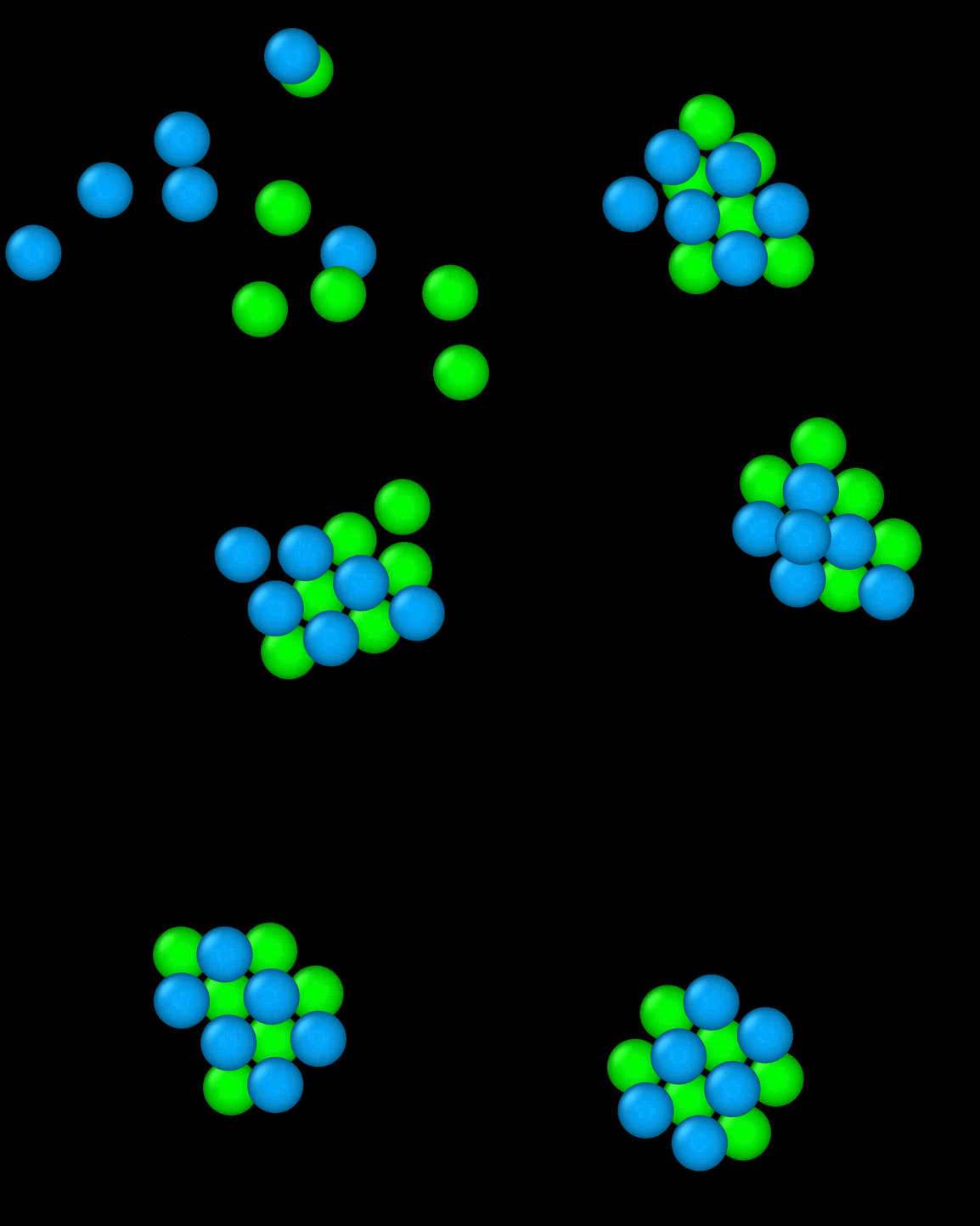
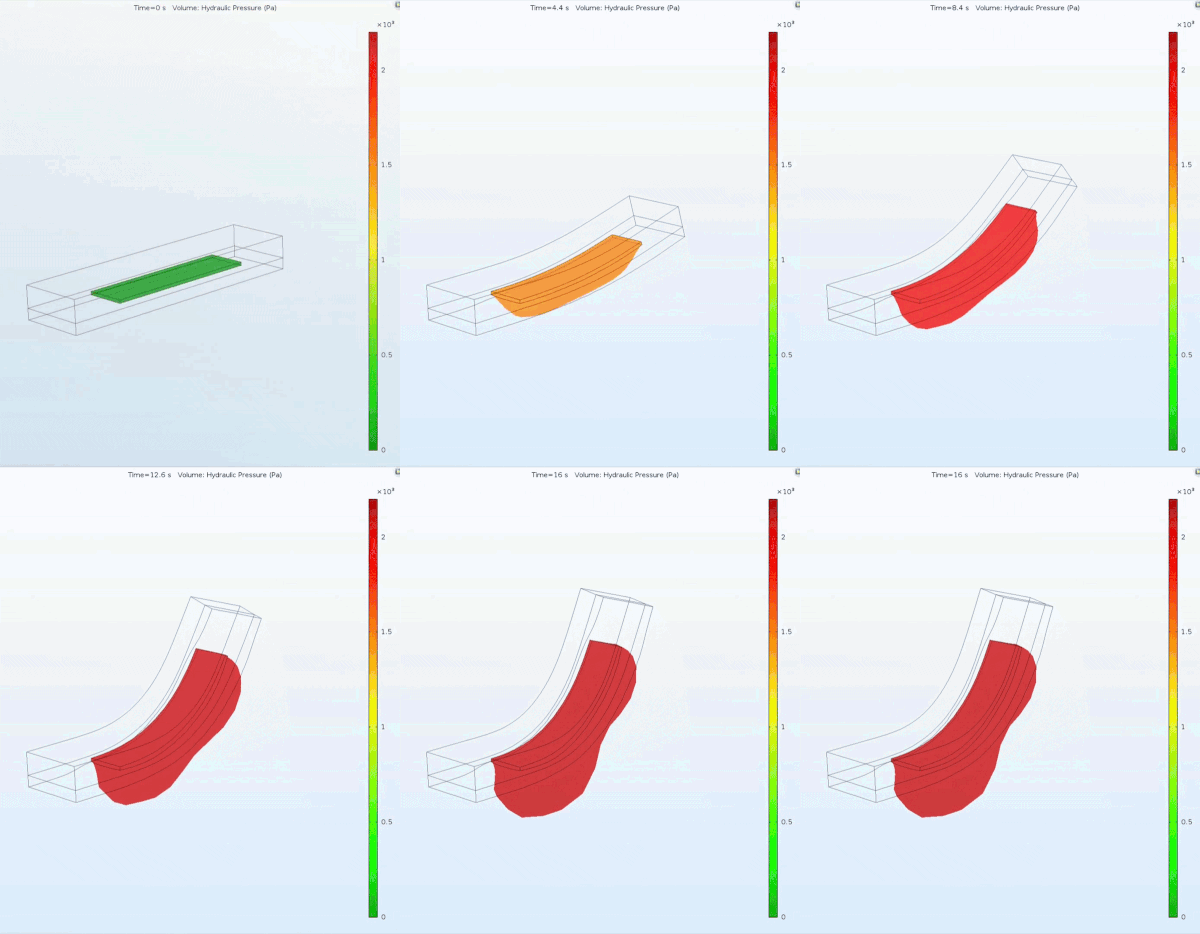
I'm a postdoctoral scholar at Lawrence Berkeley National Laboratory, working at the intersection of computational physics and autonomous systems. My research spans four simulation scales — quantum DFT, molecular dynamics, continuum FEA, and rigid-body robotics — with a focus on knowing what physics breaks down at each scale transition.
I completed my PhD in Mechanical Engineering & Materials Science at Duke University, where I developed custom C++ solvers and deployed large-scale simulations on NSF HPC clusters. I'm now transitioning into industry roles in physical simulation and robotics AI.
My competitive advantage isn't tool proficiency — it's physical intuition: the ability to judge whether a simulation output is physically correct, where a model will fail, and why a policy trained in simulation won't transfer to hardware.
Applied simulation engineering across contact physics, reduced-order multiphysics modeling, ML potential deployment, digital twin validation, and RL policy transfer.
Most engineers operate at one scale. I build pipelines that span all four — and understand the physics that breaks down at every handoff.
17+ papers · H-index 14+ · Full list on Google Scholar ↗
Physics / Robotics Simulation Engineer · Robotics AI.
Open to conversations about simulation pipelines, sim-to-real transfer, and autonomous systems.